
Birthstone visuals
Birthstone colors and what they mean
Birthstones are recognized by color long before anyone reads the label. Color is also where the symbolism sits: the same red that made garnet a traveler's amulet made ruby a warrior's stone. Here is every month's color, side by side.
The color families
- Red — garnet (January) and ruby (July): blood, vitality, courage, passionate love.
- Purple — amethyst (February): clarity of mind, sobriety, calm authority.
- Blue — aquamarine (March), sapphire (September), turquoise and tanzanite (December): truth, loyalty, protection and safe passage.
- Green — emerald (May) and peridot (August): renewal, growth, good fortune.
- White and colorless — diamond (April) and pearl (June): purity, permanence, integrity.
- Gold and orange — topaz and citrine (November): abundance, warmth, optimism.
- Multicoloured — opal and tourmaline (October), alexandrite (June): imagination, adaptability, change.
Color also decides the metal. Warm reds and golds sit best in yellow gold, so a birthstone necklace in 18K gold flatters garnet, ruby and citrine, while cool blues sharpen against a teardrop birthstone pendant in a pale finish. To show more than one color at once, a personalized birthstone bracelet lines the months up side by side.
Birthstone color by month
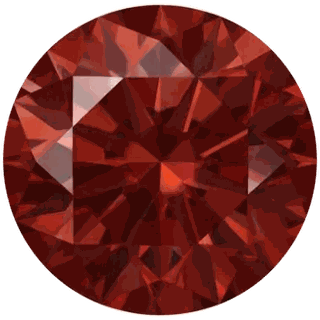
January: Garnet — Deep red
Garnet's deep red is read as the color of the heart, blood and vitality — protection on a journey and steady, enduring love.
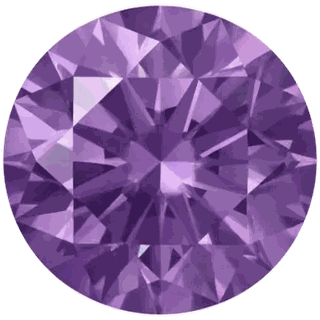
February: Amethyst — Violet purple
Purple was the color of emperors and bishops. Amethyst carries that meaning of clarity of mind, sobriety and calm authority.
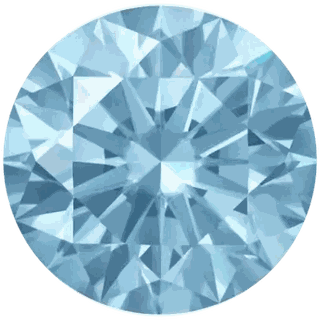
March: Aquamarine — Sea blue to blue-green
Aquamarine's pale sea blue reads as calm water: composure, honesty and safe passage. Bloodstone's green-and-red is the older symbol of courage.
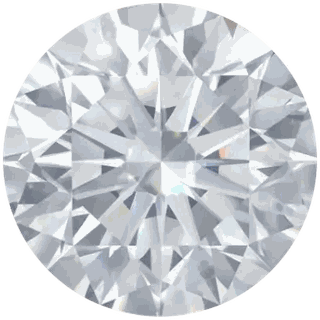
April: Diamond — Colorless white
Colorless is read as purity, permanence and unbreakable commitment — the reason diamond dominates engagement jewelry.
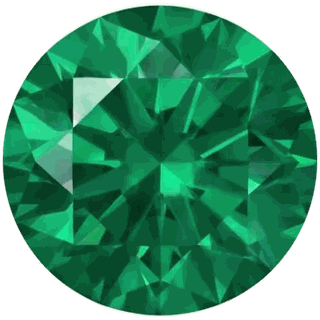
May: Emerald — Vivid green
Green is the color of spring growth. Emerald means renewal, fertility, hope and — in older sources — the ability to see truth.

June: Pearl — White, cream, silver — and color-changing
Pearl's soft white stands for purity, integrity and quiet wisdom. Alexandrite's green-to-red shift is read as balance and adaptability; moonstone's blue sheen for intuition.
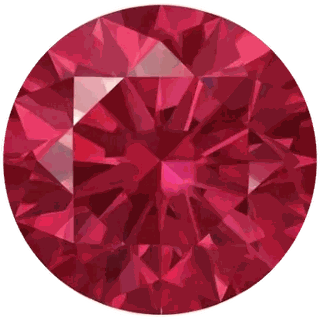
July: Ruby — Rich red
Ruby red is passion, courage and life force. In Sanskrit it is ratnaraj — king of gems.
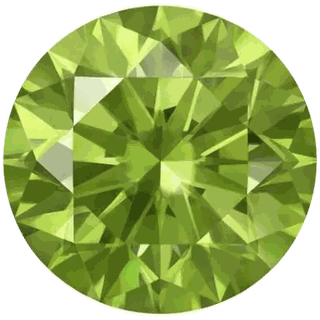
August: Peridot — Yellow-green olive
Peridot's warm lime-olive green is late-summer light. It reads as good fortune, warmth, protection from nightmares and release from envy.
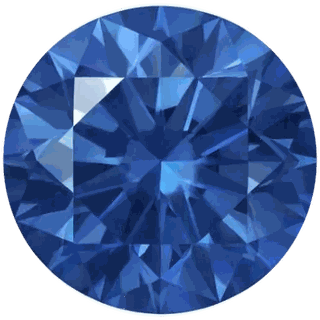
September: Sapphire — Royal blue (and every color but red)
Blue sapphire means truth, loyalty and nobility — the reason it is worn in engagement rings and clerical rings alike.
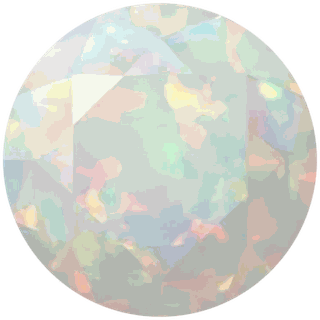
October: Opal — Play-of-color; pink to watermelon
Opal's shifting spectrum means creativity and imagination; pink tourmaline stands for compassion and the healing of the heart.
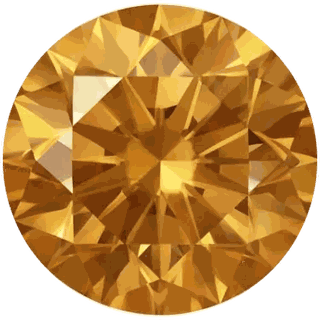
November: Topaz — Golden yellow to warm orange
November's warm golds are harvest colors: abundance, generosity, energy and good fortune.

December: Turquoise — Blue — from robin's-egg to violet-blue
Every December stone is blue. Turquoise's sky blue means protection and friendship; tanzanite's violet-blue means transformation; blue zircon's electric blue means wisdom and prosperity.
Birthstone color questions
More answers in the birthstone questions and answers guide.
- What do birthstone colors mean?
- Birthstone color symbolism follows old color associations: red for vitality and love, green for renewal, blue for truth and protection, purple for clarity and authority, white for purity, and yellow-gold for abundance.
- Which birthstone colors are there for each month?
- January deep red, February violet, March sea blue, April colorless, May green, June white and color-changing, July red, August yellow-green, September blue, October multicoloured, November golden yellow and December blue.
- Do birthstones come in more than one color?
- Yes. Garnet, sapphire, tourmaline, topaz and spinel all occur in several colors, and alexandrite changes color depending on the light.
- Which birthstone has only one color?
- Peridot. It is one of very few gems found in a single color — always green, from lime to deep olive.