Birthstones by month
The complete birthstone chart
All twelve months, their primary birthstone, the alternatives you'll see in jewelry, the color and the hardness that decides whether a stone suits daily wear. Open any month for the full guide.
Hardness matters most when you buy: stones under 7 belong on a chain, so a birthstone necklace or birthstone bar necklace is the safer setting, while a birthstone ring suits the harder gems in the table below.
| Month | Birthstone | Also worn | Color | Hardness |
|---|---|---|---|---|
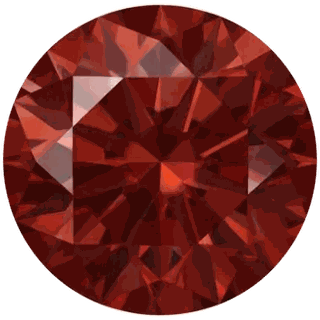 January | Garnet | Rose Quartz | Deep red | 6.5–7.5 Mohs |
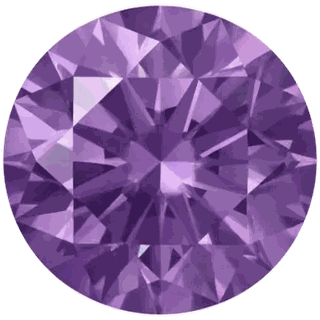 February | Amethyst | Jasper | Violet purple | 7 Mohs |
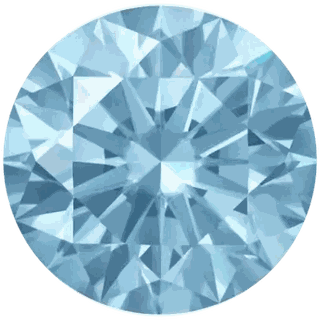 March | Aquamarine | Bloodstone | Sea blue to blue-green | 7.5–8 Mohs |
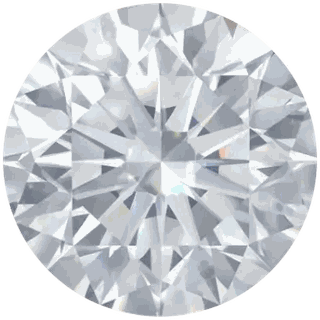 April | Diamond | White Sapphire, Rock Crystal | Colorless white | 10 Mohs |
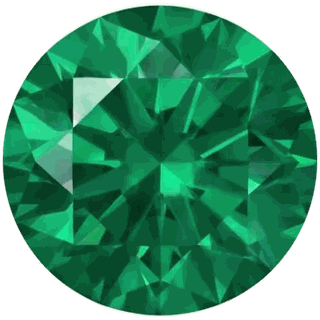 May | Emerald | Chrysoprase, Green Agate | Vivid green | 7.5–8 Mohs |
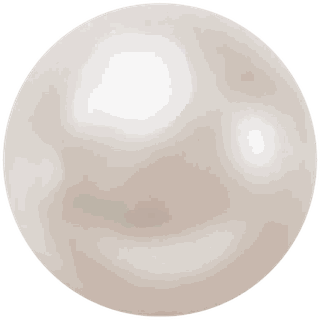 June | Pearl | Alexandrite, Moonstone | White, cream, silver — and color-changing | Pearl 2.5–4 · Alexandrite 8.5 · Moonstone 6–6.5 Mohs |
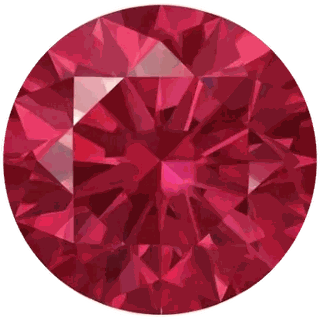 July | Ruby | Carnelian | Rich red | 9 Mohs |
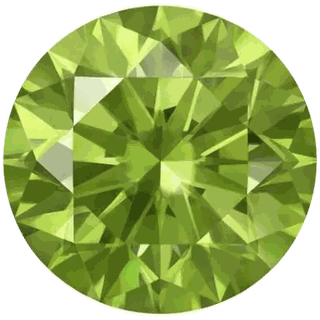 August | Peridot | Spinel, Sardonyx | Yellow-green olive | 6.5–7 Mohs |
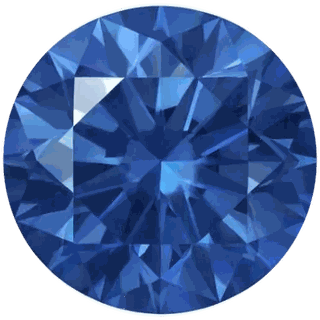 September | Sapphire | Lapis Lazuli | Royal blue (and every color but red) | 9 Mohs |
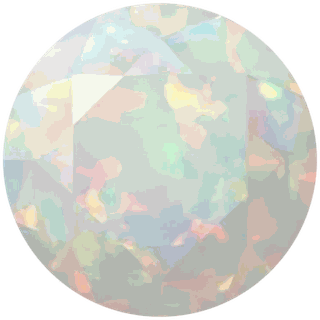 October | Opal | Tourmaline, Pink Tourmaline | Play-of-color; pink to watermelon | Opal 5–6.5 · Tourmaline 7–7.5 Mohs |
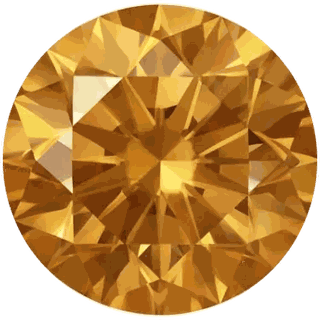 November | Topaz | Citrine | Golden yellow to warm orange | Topaz 8 · Citrine 7 Mohs |
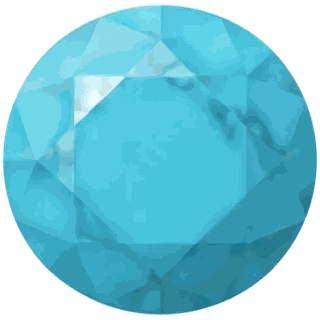 December | Turquoise | Tanzanite, Blue Zircon, Blue Topaz, Lapis Lazuli | Blue — from robin's-egg to violet-blue | Turquoise 5–6 · Tanzanite 6–7 · Zircon 7–7.5 Mohs |
Every month in detail
January birthstone: Garnet
The January birthstone is garnet, a deep red gem that also occurs in green, orange and purple. Its name comes from the Latin granatum — pomegranate — for seed-like crystals.
February birthstone: Amethyst
The February birthstone is amethyst, the purple variety of quartz. Its color ranges from pale lilac to deep 'Siberian' violet with red flashes.
March birthstone: Aquamarine
March has two birthstones: aquamarine, the sea-blue beryl, and bloodstone, a dark green chalcedony flecked with red.
April birthstone: Diamond
The April birthstone is diamond, pure crystallised carbon and the hardest natural material known, scoring a perfect 10 on the Mohs scale.
May birthstone: Emerald
The May birthstone is emerald, the green variety of beryl colored by chromium or vanadium. Colombian emerald is the benchmark for color.
June birthstone: Pearl
June is the richest month for choice: it has three birthstones — pearl, alexandrite and moonstone. Pearl is the traditional and most-worn June birthstone.
July birthstone: Ruby
The July birthstone is ruby, the red variety of corundum — the same mineral as sapphire — and second only to diamond in hardness.
August birthstone: Peridot
August has three birthstones: peridot, spinel and sardonyx. Peridot is the modern favorite — a yellow-green gem that is one of the very few found in only one color.
September birthstone: Sapphire
The September birthstone is sapphire. Blue is classic, but sapphire occurs in pink, yellow, green, purple and the rare orange-pink padparadscha.
October birthstone: Opal
October has two birthstones: opal, with its flashing play-of-color, and tourmaline, which spans more colors than any other gem.
November birthstone: Topaz
November has two birthstones: topaz — most valued in golden Imperial topaz — and citrine, the warm yellow variety of quartz.
December birthstone: Turquoise
December is the blue month, with more birthstones than any other: turquoise, tanzanite, blue zircon, blue topaz and — traditionally — lapis lazuli.
Questions about the birthstone list
More answers in the birthstone questions and answers guide.
- How many birthstones are there?
- There are twelve birthstone months but around twenty recognized stones, because several months carry more than one option on the modern and traditional lists.
- Which month has the most birthstones?
- December, with turquoise, tanzanite, blue zircon and blue topaz, plus lapis lazuli on the traditional list.
- What is the difference between modern and traditional birthstones?
- Traditional birthstones follow older European and Middle Eastern lists; the modern list was standardised by American jewelers in 1912 and updated with alexandrite (1952), tanzanite (2002) and spinel (2016).